


Every twelve years, the banks of the Ganges at Prayagraj become one of the largest cities on Earth — and then disappear. The Maha Kumbh Mela draws over 400 million pilgrims across six weeks, requiring the construction of a full urban infrastructure: pontoon bridges, field hospitals, kilometers of temporary roads, a grid of tent cities visible from space. When the festival ends, it is dismantled entirely. No gathering in human history produces a more complete architecture of movement; built for arrival, engineered for transience, and designed to leave no permanent trace. The Kumbh Mela is exceptional in scale, but not in condition: movement has become a defining spatial problem of the century.
This month, ArchDaily explores Architectures of Movement: Land, Borders, and the Politics of Belonging, a theme that examines how mobility reshapes architecture’s relationship to territory, ownership, and identity. The topic does not treat movement as a crisis to be managed, but as a fundamental lens through which to reconsider what buildings, cities, and borders actually do: who they accommodate, who they exclude, and what they make permanent.





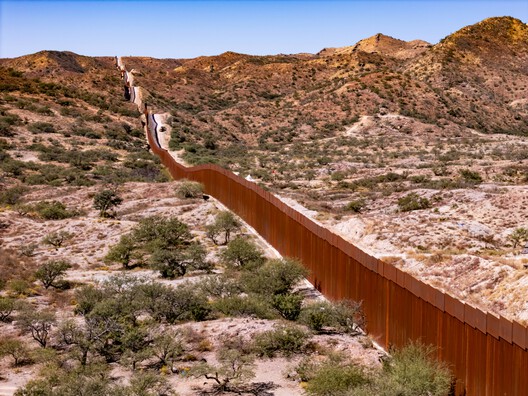
The coverage will approach these questions from multiple angles. Border architecture will be examined not as neutral infrastructure but as an instrument of control, from walls and checkpoints to screening facilities that materialize political decisions in concrete and steel. The pressures of mass tourism on cities like Barcelona, Rome, or Venice raise different but related questions about whose right to place is privileged when urban space becomes a transient commodity. Pilgrimage routes across India offer another register entirely — seasonal architectures of extraordinary scale built to accommodate movement as a sacred act. Meanwhile, co-living spaces and desert settlements test the limits of what belonging can mean when transience is not an exception, but a condition.
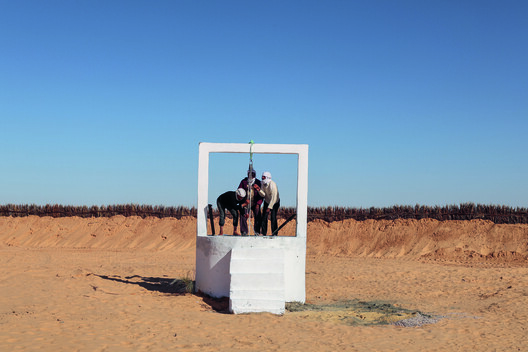
Underlying all of these angles is a harder question about land itself: who owns it, who is entitled to return to it, and what architecture says when it answers on behalf of one group rather than another. At the intersection of climate displacement, indigenous sovereignty, and the global housing crisis, the politics of belonging have rarely been more contested — or more consequential for spatial practice.
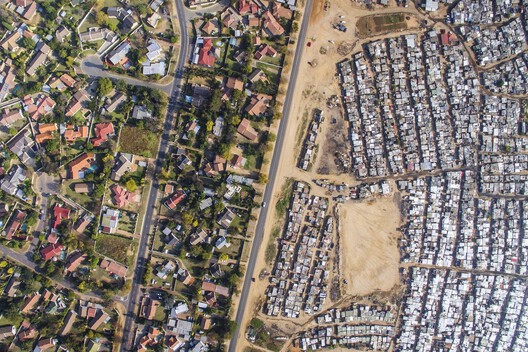
Can architecture hold space for people who may not stay? And for those who cannot leave — who are held in place by poverty, conflict, or closed borders — what does the built environment owe them?
This article is part of the ArchDaily Topic: Architectures of Movement: Land, Borders, and the Politics of Belonging. Every month we explore a topic in-depth through articles, interviews, news, and architecture projects. We invite you to learn more about our ArchDaily Topics. And, as always, at ArchDaily we welcome the contributions of our readers; if you want to submit an article or project, contact us.


